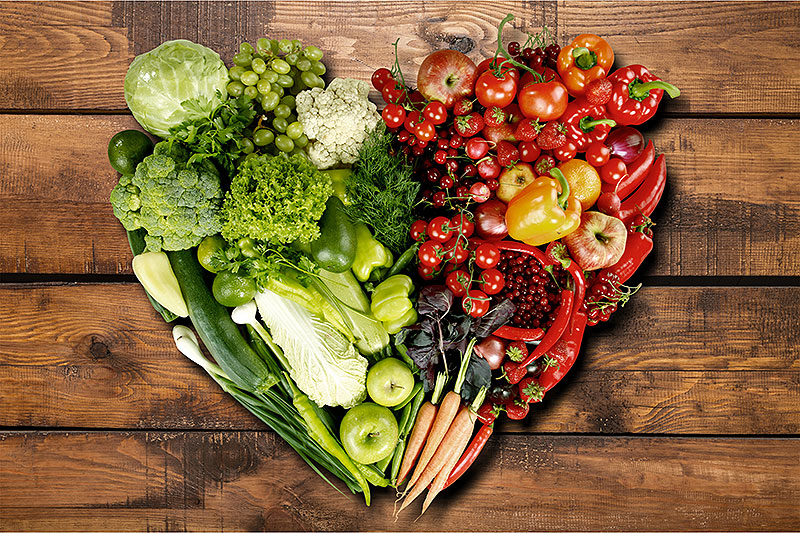
If you have ever suffered a heart attack, or angina or are concerned about developing heart disease you may be wondering if there are any changes to your diet that can help prevent heart disease from happening or if you have had a heart attack/angina to stop it from happening again?
There have been a large number of studies focusing on dietary interventions that are proven to prevent heart disease. Usually this information is provided in cardiac rehabilitation classes that patients are encouraged to attend after a heart attack. The principles however, can apply even if you don’t presently suffer from heart disease but are concerned about your future risk. I will focus on two proven dietary interventions that have been shown to prevent heart disease – fish oil and Mediterranean diet.
Fish consumption has now been well established to reduce the risk of heart disease. The initial clues suggesting the benefit of fish oils in preventing heart disease came from the study of populations (such as the Japanese) who had a high intake of fish in their diet. These populations have a diet rich in fish oils, particularly Omega-3 fatty acids that are present in oily fish such as Mackerel. They have shown that fish consumption can reduce the risk of developing heart disease or of dying from heart disease as much as 40%! That is a greater effect than certain drugs. The recommendations suggest eating a variety of fish (but preferably oily fish) at least twice per week.
The second dietary intervention to help prevent heart disease is a Mediterranean diet. This is a diet traditionally rich in olive oil, nuts, fish and vegetables. One study conducted amongst 8000 people in Spain who had no heart disease but considered to be at high risk due to other risk factors (e.g. diabetes, hypertension) showed that adherence to a Mediterranean diet reduced the risk of developing heart disease by 30%. I have included a table of the diet used and a reference to the paper published in the New England Journal of Medicine in 2013. As you can see the diet is rich in olive oil, tree nuts, fresh fruits, vegetables and white meat, whilst avoiding red meats, processed foods and commercial baked goods. This might explain the low incidence of heart disease in certain Mediterranean countries where such a traditional diet is still prevalent.
These, and numerous other studies have consistently shown that changing your diet can have a huge influence on your risk of developing heart disease. In addition if you have already suffered a heart attack, or angina it is a very powerful way of preventing any further progression of the disease. Dietary interventions are often overlooked by cardiologists whose focus is purely on drugs/medicines to reduce risk. However the dietary changes are often more potent than any medication effects and are easy and inexpensive to implement.
Heart disease remains one of the biggest causes of death in the UK, and small changes to diet can go a long way in preventing the development of heart disease.